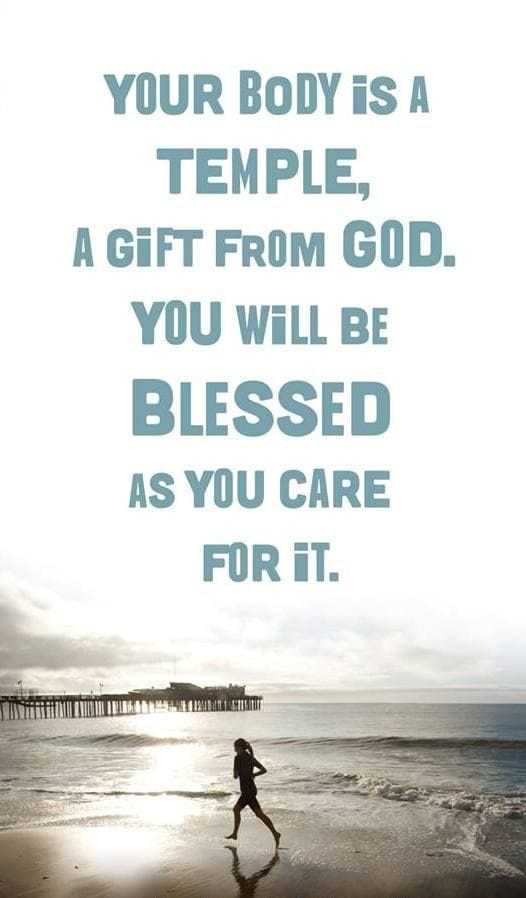
Healing and Recovery Through Faith

Let me share something real with you. After more than 30 years as a personal trainer and wellness counselor, I’ve learned that the deepest struggles people face aren’t always about fitness or exercise routines. They’re spiritual. https://www.rushwalter.com/how-to-build-a-healthy-body-image-through-faith-ultimate-guide/ They’re about how we see ourselves and whether we believe we’re worthy of care and respect. And here’s what I’ve discovered—faith-based healing and recovery can completely transform not just how someone looks, but how they feel about themselves from the inside out.
I remember sitting across from one client on a Tuesday afternoon—somebody who’d been struggling with body image issues for years. Nothing seemed to help until we started incorporating specific Scripture-based healing practices into their wellness journey. That’s when things clicked. And watching that breakthrough happen? It helped me develop a practical approach that I’ve seen work wonders for so many others dealing with similar struggles.
What I’m going to share with you in this blog isn’t theory. It’s what actually works, based on years of helping people find healing through faith while rebuilding their relationship with their bodies and their fitness goals.
Understanding the Root: Where Body Image Struggles Really Come From
Before we talk about healing, we need to understand what we’re actually dealing with. Body image struggles don’t just pop up out of nowhere. Usually, they come from years of negative self-talk, comparison with others, messages we’ve received from culture and media, and sometimes from painful experiences in our past.
When I work with clients on body image recovery, I start by helping them understand that these thought patterns—the ones that tell them they’re not good enough, not strong enough, not attractive enough—these aren’t facts. They’re lies that have become so familiar they feel true. And that’s where faith comes in. Because recovery through faith means learning to replace those lies with God’s truth.
The Bible says in Proverbs 23:7, “As a man thinks in his heart, so is he.” Your thoughts literally shape how you experience your life. If you’re constantly thinking negative thoughts about your body, that’s going to affect everything—your mental health, your motivation to exercise and take care of yourself, your relationships, your overall wellness.
Truth Journaling: A Practical Technique for Rewiring Negative Thoughts
Here’s what I teach my clients, and it’s one of the most powerful tools I’ve found for healing body image struggles. I call it “Truth Journaling,” and it’s pretty straightforward, but don’t let the simplicity fool you—it works.
Whenever a negative body thought pops into your head, write it down. https://www.rushwalter.com/practical-steps-for-developing-a-christ-centered-body-image/ Just get it out of your brain and onto paper. It might be something like, “I’m too fat,” or “I’m not strong enough,” or “Nobody will find me attractive,” or whatever that critical voice is saying. Don’t judge yourself for having the thought—just write it down.
Then, right next to that negative thought, write what God’s Word says about that specific issue. This is where Scripture becomes your weapon against lies. If the thought is “I’m not enough,” you’d pair it with Romans 8:37—”We are more than conquerors through Him who loved us.” If the thought is about your body being unworthy, you might use Psalm 139:14—”I praise you because I am fearfully and wonderfully made.”
The magic happens when you read God’s truth out loud. Don’t just write it—say it. Let those words sink into your heart, not just your head. Because there’s a difference between knowing something intellectually and actually believing it. Faith-based recovery requires both.
I’ve had clients tell me that the first time they did this exercise, they cried. Not because it was hard, but because they’d never thought to replace those lies with truth before. They’d just let the negative thoughts run on repeat without question. Once they started actively fighting back with Scripture, things shifted. Their healing journey actually started moving forward.
Prayer and Holy Spirit-Guided Imagery for Deep Healing
Now, I know this might sound a little out there if you’re not used to mixing wellness counseling with spiritual practices, but hear me out. I use something I call “Holy Spirit-guided imagery” with clients, and the breakthrough moments people experience during these sessions are remarkable.
Here’s how it works. We spend time in prayer, and I guide them to ask God to help them see themselves through His eyes instead of through the critical eyes of culture, social media, or their own negative self-talk. Then, in a relaxed state, they imagine themselves as God sees them—loved, valued, worthy, and accepted exactly as they are right now, in this moment.
Sometimes people see themselves as strong and capable. Sometimes they see themselves surrounded by light or love. https://www.rushwalter.com/understanding-body-image-through-a-biblical-lens/ The specific images don’t matter as much as the experience of feeling seen and valued by God. Because that’s what healing through faith is really about. It’s about knowing, deep in your soul, that you matter. Not because of how you look or how much you weigh or what your body can do. You matter because God made you and loves you.
People ask me if this actually helps with body image recovery, and the answer is absolutely yes. When you spend time genuinely believing that God sees you as valuable and acceptable, that changes how you see yourself. It doesn’t happen overnight, but it happens.
Building Your Truth Team: The Power of Christian Community in Wellness
Here’s something I learned that might surprise you: healing through faith doesn’t happen in isolation. https://www.rushwalter.com/the-joy-of-your-hobby/ The recovery process isn’t linear—some days you’re feeling great and reciting Scripture like a champion. Other days, those old negative thought patterns try to sneak back in. That’s when community becomes essential.
I always recommend that my clients build what I call a “Truth Team.” This is a group of three to five trusted Christian friends who understand what you’re going through and are willing to pray with you and remind you of God’s truth when you’re struggling. These are people you can text at 2 a.m. when body image anxiety is hitting hard, and they’ll send you a Scripture and pray for you.
I cannot stress enough how important wellness support groups are in the healing journey. Healing happens faster when people share their struggles openly and pray for each other specifically. There’s something powerful about sitting with other Christians who are fighting the same battles you are, knowing you’re not alone.
This is also where personal training and group fitness classes can play a role. When you exercise with people who focus on what your body can do rather than how it looks, that shifts your entire mindset. You’re celebrating strength, endurance, capability, and health instead of appearance. At Rush Fitness Tools, we believe in community-focused fitness that builds people up mentally and spiritually, not just physically. Whether you’re looking to set up a home gym for your personal wellness journey or you want to explore group training options, we can help you create an environment that supports your healing. Check out what we offer at rushfitnesstools.com or reach out to discuss how we can support your faith-based fitness and wellness goals.
Practical Faith-Based Tools for Daily Healing and Recovery
Let me give you some specific, practical things you can do starting today to support your healing journey through faith.
First up: create what I call a “God’s Truth” playlist. Fill it with worship songs that specifically speak about your identity in Christ, your worth, and being made in God’s image. Music has this amazing way of getting truth past your mental barriers in a way that just reading Scripture sometimes doesn’t. When you’re driving to work, exercising, or going about your day, let these songs remind you of what God says about you.
Second: start prayer journaling, but do it with intention. Here’s the format that’s worked best for me and my clients:
Start with gratitude for specific body functions. Thank God that your legs can carry you, your arms can hold people you love, your heart beats and keeps you alive. This shifts your perspective from criticism to appreciation.
Move into confession of negative self-talk. Be honest about those critical thoughts you’ve been having. Confess them to God and ask for forgiveness for believing lies about yourself.
End with declaring God’s truths about your identity. Write out what Scripture says about who you are in Christ. You are loved. You are accepted. You are worthy. You are strong. Whatever truth you need to hear, write it down and declare it.
This whole process takes maybe 15 minutes, and if you do it consistently, you’ll notice your thought patterns shifting over time. It’s like exercising a muscle—the more you practice believing truth, the stronger that belief becomes.
Celebrating Small Victories in Your Healing Journey
One thing that gets overlooked in faith-based recovery is the importance of celebrating small wins. Every single time you choose to believe God’s truth over a negative thought? That’s worth celebrating. When you catch yourself speaking kindly about your body instead of criticizing it? Celebration time. When you exercise because you love your body instead of punishing it? That’s huge.
These moments might seem small, but they’re actually massive steps in rewiring your thoughts to align with God’s perspective. Each time you choose truth over lies, you’re building new neural pathways. You’re training your brain—and your spirit—to think differently about yourself.
I’ve had clients keep a “victory journal” where they write down these small moments. At the end of the week, they read through it and realize how much progress they’ve made. It’s incredibly encouraging.
When to Seek Professional Support for Your Wellness and Faith
Here’s something I want to be clear about: healing through faith doesn’t mean you should never seek professional help. In fact, sometimes the most spiritual thing you can do is admit you need help and reach out to trained professionals. God often works through counselors, therapists, wellness coaches, and yes, personal trainers who understand the connection between physical fitness, mental health, and spiritual wellbeing.
If you’re struggling with body image issues, consider working with someone who understands the faith-based approach to healing. Don’t try to white-knuckle your way through this alone. That’s not strength—that’s actually missing out on the community and professional support God wants to provide for you.
Remember, healing isn’t about reaching some perfect state of body acceptance. It’s about learning to see yourself through God’s eyes, one day at a time. Some days that’s easier than others, and that’s perfectly normal. The key is to keep coming back to the truth of Scripture, even when your feelings don’t line up with it yet. Your feelings will follow your beliefs over time.
I’m here if you need guidance on combining faith-based wellness with a practical fitness approach that actually supports your healing instead of harming it. Reach out anytime.
Thanks for reading this faith and fitness blog. I hope you enjoy a healthy day, Walter